
learning analytics

saw this post by dr ashley tan on learning analytics. while looking at the infographic, i’m just thinking perhaps the day when learning analytics can be realised could be the day that learning for the sake of exams can (finally) be replaced with learning for the love of learning. and when that day comes, some teachers may sweat and feel helpless, cos one may not know how to teach not for the sake of exams while at the same time, teach with the support of machines (generalised to include both hardware n software)  :O
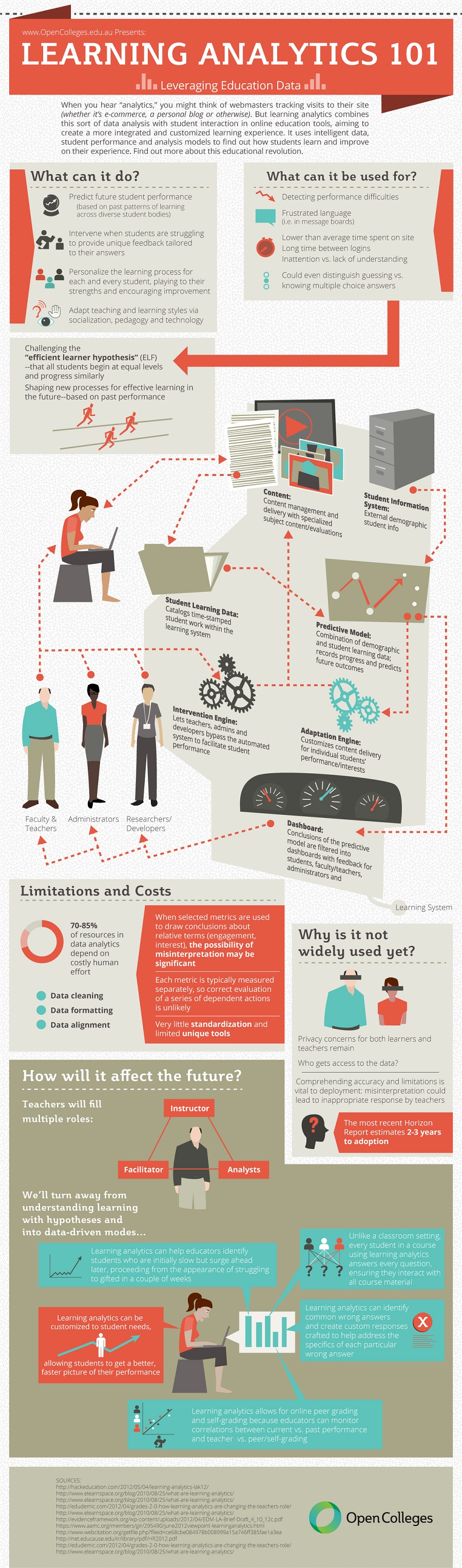
source acknowledgement: OpenColleges, via another dot in the blogosphere

students = customers?

if a teacher cannot be always right, it’s not likely that a student with lesser metacognitive knowledge and lower metacognitve awareness be always right. if the customer is always right, then it follows that a student cannot be a customer. therefore, whoever says “students are our customers and we serve them”, does s/he understand what s/he is talking abt?

logical fallacies

chanced upon this site “Logical Fallacies and the Art of Debate” that prof Glen Whitman had prepared for his students some 11 yrs ago relating to the use of logical fallacies during debates. many of these can be observed in arguments observed or experienced in our daily lives, not just in a debate setting.

Argumentum ad antiquitatem, Red herring, and Slippery slope are but three examples (:

an extract from Walden Two

saw the following quote from the book Walden Two while reading an article:

Since our children remain happy, energetic, and curious, we don’t need to teach “subjects” at all. We teach only the techniques of learning and thinking. As for geography, literature, the sciences-we give our children opportunity and guidance, and they learn for themselves. In that we dispense with half the teachers required under the old system, and the education is incomparably better. Our children are not neglected, but they’re seldom, if ever, taught anything.

Education in Walden Two is part of the life of the community. We don’t need to resort to trumped-up life experiences. Our children begin to work at a very early age. It’s no hardship; it’s accepted as readily as sport or play. A good share of our education goes on in workshops, laboratories, and fields. It’s part of the Walden Two code to encourage children in all the arts and crafts.

(Skinner, 1948, pp. 119-120, as cited in Anderson, Reder, & Simon, 1997)