cooperative resources preparation – afterthought

昨天的Studio课我们迎来了两位“插班生”——振南师&凤儿师。下午茶叙我们围坐时就聊到教师如果独自备课工作量太繁重的问题。因为华文老师一般得为许多进度作准备。凤儿师分享道小学老师有50-60个人在一起的一个组织,如何为小学每一课课文准备最基本的教案、ppt和相关资源。振南师则分享道某校部门主任如何组织老师在某学年集中火力准备某年级某进度的类似的教学资源的工作。

当时脑海浮现一些思绪但却说不到点上。今早再想了想,我想我当时的responses应如下:

1. Resources are important component for lessons – must have, and therefore must be prepared.
2. Cooperative resource preparation is good because it allows concerted effort for teachers to focus while divide-and-conquering (1).

联系我们茶叙前在聊的话题种种,我觉得关键是:

3. What is the purpose of the resources prepared/gathered? Are these for teachers’ lesson delivery (“”为出发点;灌输为主——非常有效率地教), or are these for students’ meaning-making (“”为出发点)?

这两个不同的出发点对所准备的resources作为“outcomes”会有哪些影响呢? 资源(例如文章、范文、videos)或许有共通的,但是如何使用会因目的不同而不同。换句话说,两者的教案就肯定不一样了。

另外,”resource preparation”一词很大成分意味着资源是出自教师。“资源”可否来自学生?为什么可以?为什么不可以?因为这样很没效率?因为学生找不到“对”的资源(cf. 教师准备的对错拿捏妥当)?

所以回过头来,我觉得还是离不开“学习”这根本问题s——What is learning? How does learning take place? 不同的技能、课题可能学习的方法不同。所以没有划一的答案。

但思考的出发点应该只有一个,
就是“” (cf. 教)。

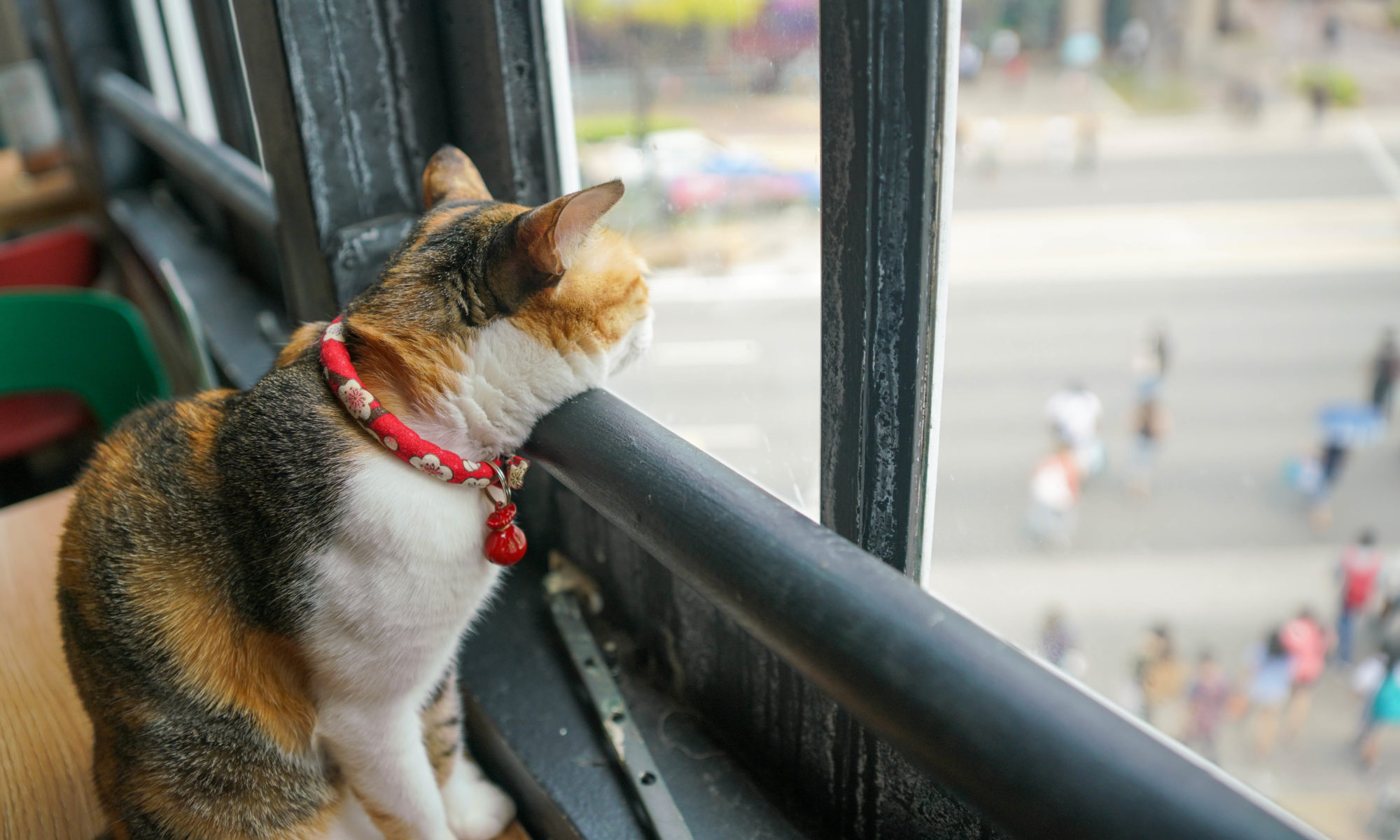
triangular windows
(photo credit: Michael Coghlan)

the four functions of language

was reading Karl Popper’s Arthur Holly Compton Memorial Lecture at Washington University in St. Louis “Of Clouds and Clocks” delivered in April 1965. and towards the second half of the lecture under section XIV, he described the 4 functions of language, 2 lower (the common things in animal languages and human languages) and 2 higher (which defines human beings), namely,

“the expressive, the signalling, the descriptive, and the argumentative functions”

the lower two functions are always present in a higher function according to Popper.

clouds and clocks photoPhoto by Fotografik33 – www.fotografik33.com

knowing the wrong answers

we were talking about assessment literacy last week. and i chanced upon this article via fb feed “Why Teachers Need To Know The Wrong Answers“. to be able to assess students’ learning and facilitate improvement, teachers need to know all the answers (and their corresponding Whys).

Screenshot 2016-04-18 08.30.26

some lines that caught my eyes include:
“‘Students are full of all kinds of knowledge, and they have explanations for everything.’ From birth, human beings are working hard to figure out the world around us.”

– and how often teachers are responsible for ‘killing’ this curiosity?

“‘cognitive science tells us that if you don’t understand the flaws in students’ reasoning, you’re not going to be able to dislodge their misconceptions and replace them with the correct concepts.'”

– very absolute terms here, very ‘science’ — right vs. wrong. what do we have that are clear cut right and wrong in CL? and how often are we able to tell why one is right and the other is wrong? how many CL teachers have acquired the necessary linguistics knowledge, or the awareness/ability to learn about them on-the-fly/on-the-job/on-demand?

“‘Teachers who find their kids’ ideas fascinating are just better teachers than teachers who find the subject matter fascinating,'”

– i am not sure how many teachers around me are actually FASCINATED by their students’ ideas. i suspect more ‘irritated’ & ‘frustrated’ than anything else.

“‘The next step is to give students exposure to the information and experience that will enable them to reason their way to the right answer.'”

– and how often teachers just tell students the “right” answers outright in the face? in the name of efficiency of learning?

language learning – motivation, discipline

saw this post on fb that caught my eyes:

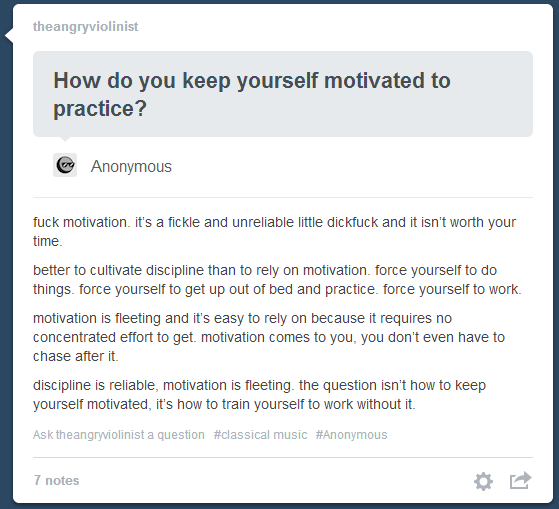
160415-violinist_motivation_discipline

ignore, or look beyond the first paragraph.

the writer of this little piece was talking about practising music/violin #ipresume. 我们当中有玩乐器的就会知道,“练习”这一回事可以是奇闷无比的,但是不练又难以达到所需的(成熟)技术,尤其是手指的灵活度、身体对节奏的敏感与反映。@PS 不知道打羽球是不是也这样?

语文学习何尝不是有这般成分?有吗?还是没有?应该有吧?有哪些呢?:P

motivation (cf. 兴趣) 是我们热衷的话题。这一小段文字不禁提醒了我——或许我们在维系学生的学习动机的当儿,不可忽略的是discipline——纪律这一块。纪律,从“教”的角度出发较常关联的是课室管理classroom mgmt “CM”. 若从“学习”的角度出发呢?语文学习可以培养哪些纪律呢?换句话说,学习的语文的当儿其实也在“学习”纪律。

写到这儿,不禁又联想到,“学习”一词,引起开始的“学”或许是motivation;接下来能不能持之以恒地“习”,discipline就占主导了?当然,这里我想的是主次的关系,不是二分; it’s not a dichotomy.

motivation – discipline is an inseparable duo. @斯安 Skilful Teacher 中是这样阐释的吗? 😛

time is like liquid in a bottle

time is like liquid in a bottle.
liquid is not too compressible (cf. air).
if a bottle is already filled with Coke to the brim, there’s no layman way to introduce (choose any favourite drink, e.g. Pepsi, 100-Plus, Kickapoo, 佳佳凉茶, whatever)

coke_full_bottle
(source/acknowledgement: thedieline.com)

to introduce (insert favourite drink) into the bottle, some Coke must give way.
to introduce new practice into any teaching and learning context, some old practice must give way.

time is like liquid.
time is incompressible, and limited.