some weeks ago, saw 衍兴 posted on 周记。it’s time for me to revive this, 在阔别15年之后 (:
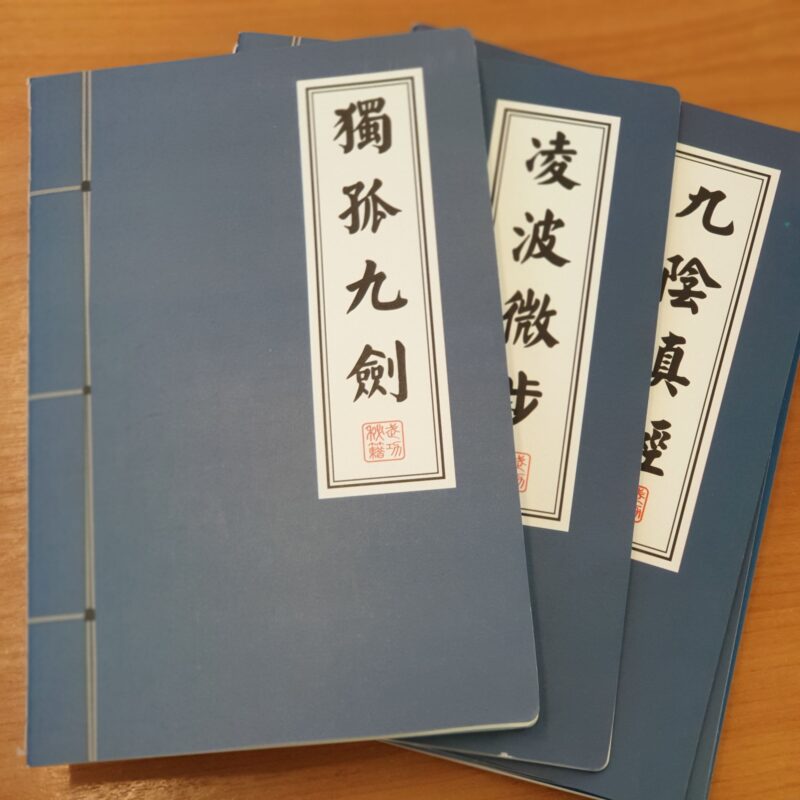
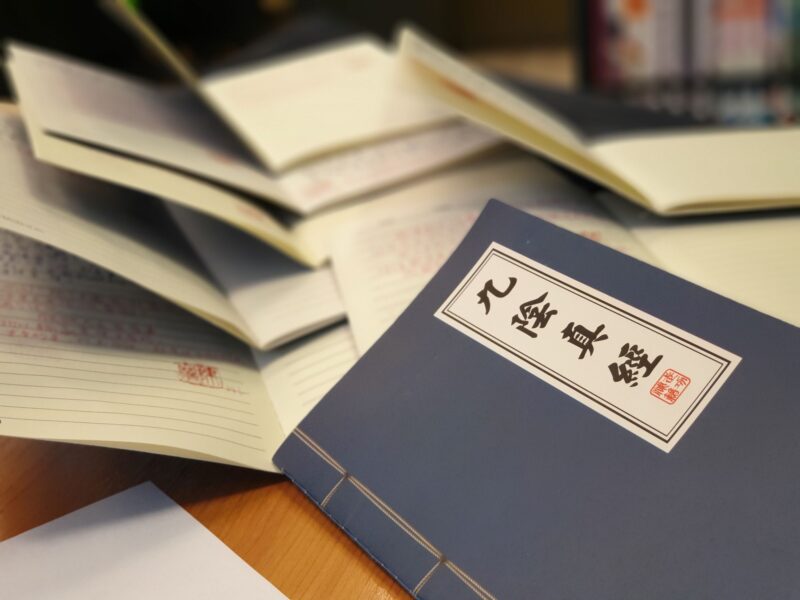

– a Singaporean teacher's storeroom 🖖
some weeks ago, saw 衍兴 posted on 周记。it’s time for me to revive this, 在阔别15年之后 (:
last Friday, Prof John Hattie conducted a live webinar for Singaporean educators to share about effect size of the six areas of SF(Ed) based on his meta-analysis. i am most interested in the part on DI, and here’s my notes taken during the sharing:
#TLDR differentiation is about how a teacher design learning so that students can pursue different ways albeit over different amount of time to achieve common success criteria. in the process, effect size is high when teachers set high expectations of students, design tasks for students in heterogeneous group for them to learn from each other.
#TLDR differentiation is akin to GPS. students can take different ways to arrive at the same destination (i.e. achieve common learning objectives) at different times; there’s no ‘wrong’ route to a GPS.
hope i have gotten the ideas and quotes as close to what Prof. Hattie has intended, and u’ll find this little note useful. oh yes, all the emphasis were added by me (:
to cite:
Tan, Y. H. (2020, September 16). notes on DI from webinar by Prof. Hattie. EduBlog.Net. https://edublog.net/2020/09/16/notes-on-di-from-webinar-by-prof-hattie/
it’s been a while since my last post. as we begin day 1 of term 4 tomorrow, (the act of) of questioning could be even more useful as we consolidate new (and old) concepts/ideas taught leading up to the end-of-year examinations. chanced upon this piece of gem – a chapter on More Effective Questioning – by Pearsall (2018).
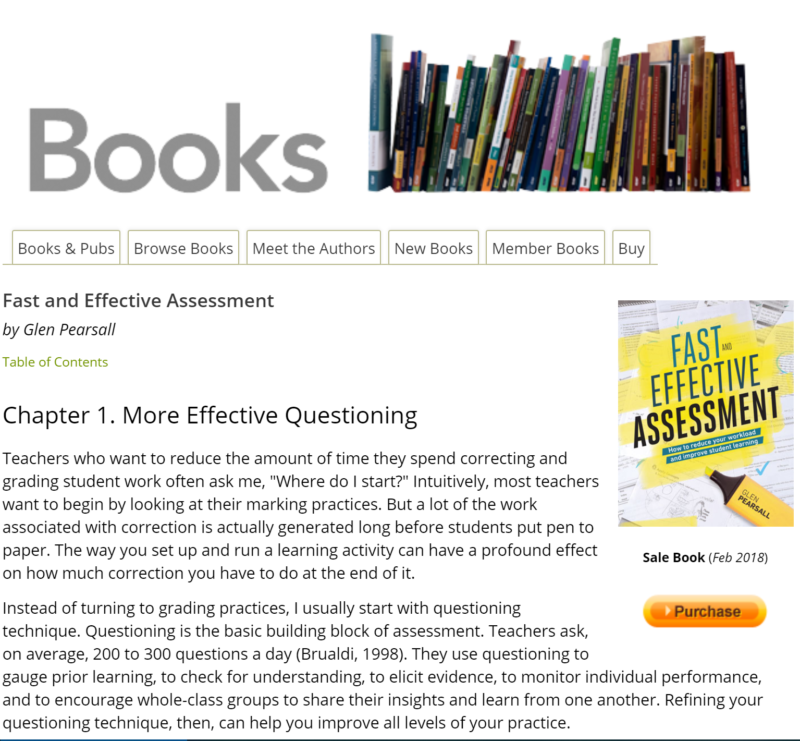
questioning is an important part of our everyday practice therefore it’s nothing ‘new’ per se. a quick browsing through the chapter would remind us of the many effective techniques that we may have already been practicing all this while (e.g. Cold Calling, Question relay, Placeholder statements). but again, you may find some new ideas through a 5-min quick browse too (:
some questions that came to me while browsing (which i do not have answers at this point in time) include, “how would these techniques look like in a online synchronous learning environment (e.g. Zoom, Google Meet)?”; “what could work and what may not work so effectively?”; “how could i/we adapt these techniques so that they would be equally, if not more, effective for synchronous online learning?”.
finally, nothing beats the feeling of seeing a great piece of free reading/resource for sharing early in the morning (“Thank You, ASCD”). have a great term 4 ahead to one and all!
2020年的教师节是我阔别中学生15年后第一次回到中学任教,并再度一起和中学生共度对我来说真正意义上的教师节。
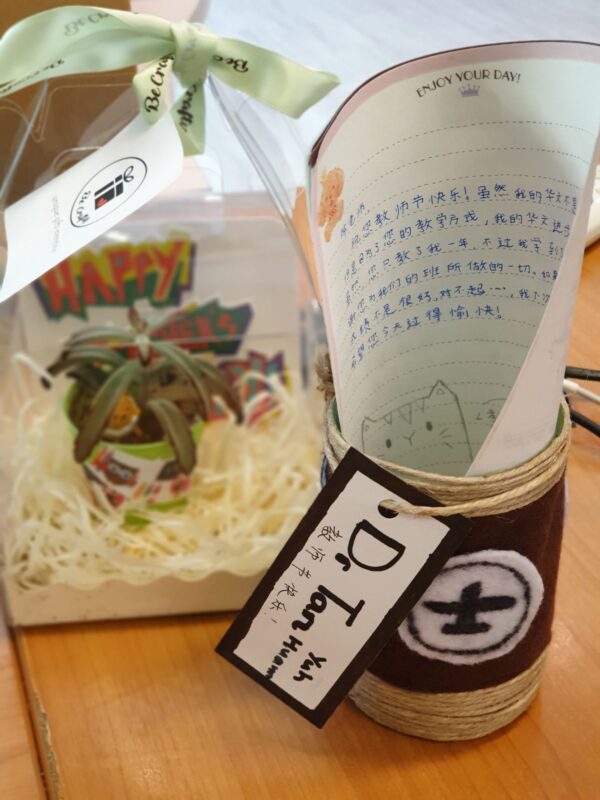
 #TrulyTeachersDay
and today, i played with my samsung note 9’s hyperlapse video, and had fun created the following:
(:
just realised it’s been 7 years since i penned a “qotd, my” (:
so here’s another one:
“lazy to argue with you” (Tan, 2020)
(just-for-fun suggested citation: Tan, Y.H. (2020, Aug 12). quote of the day, my [blog post]. Retrieved from https://edublog.net/2020/08/12/quote-of-the-day-my-2/
thanks to rab my pal for suggesting this 😁